Emotional Regulation Worksheets for Kids: Building Lifelong Skills
Children are not born knowing how to manage big feelings. These visual, engaging worksheets teach emotional regulation skills that predict lifelong wellbeing.
BACP-Registered Counsellor & Art Therapy Specialist
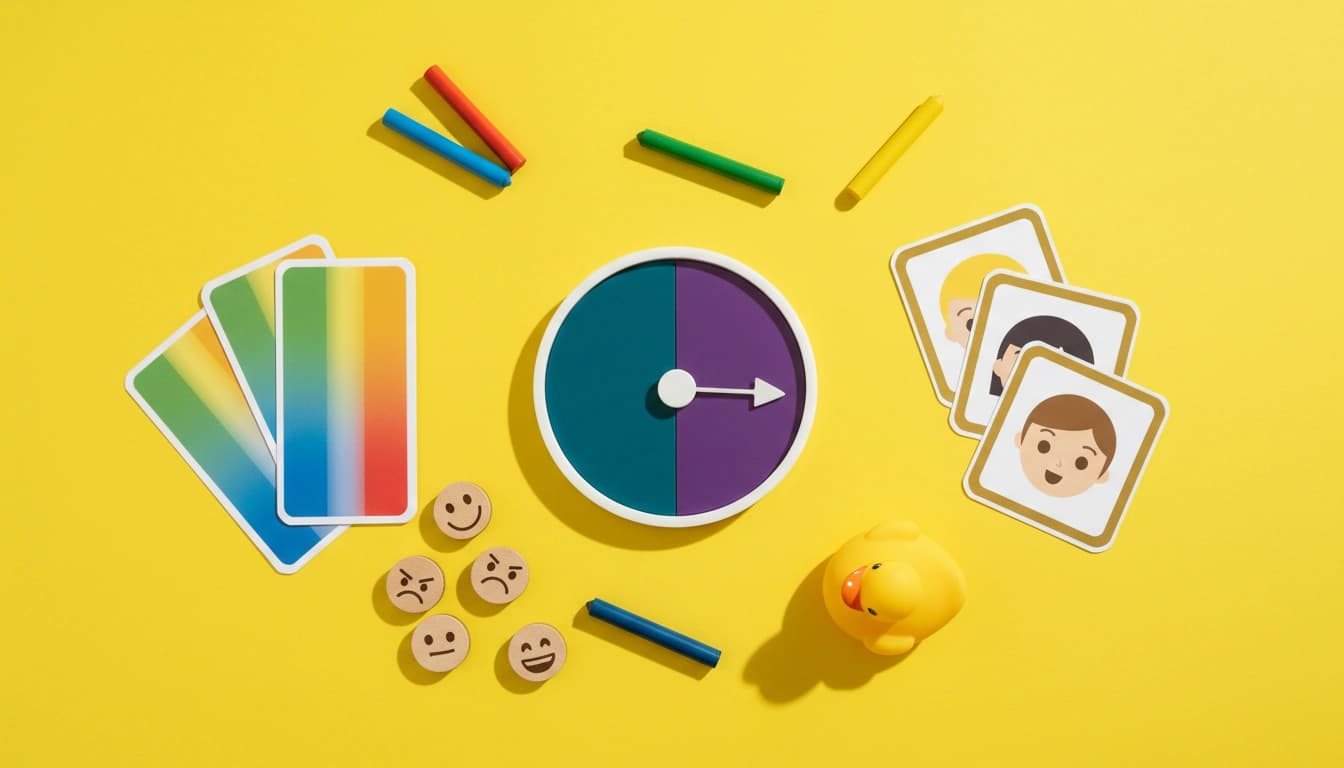
TL;DR — Key Takeaway
Emotional regulation worksheets for children teach foundational skills for identifying, expressing, and managing big feelings. Effective tools include emotion wheels, feeling thermometers, calm-down choice cards, and breathing exercise visuals. Children who learn emotional regulation early show better academic performance, stronger relationships, and improved mental health outcomes throughout life.
Emotional regulation worksheets for kids lay the groundwork for lifelong mental health. Children are not born knowing how to manage big feelings — emotional regulation is a learned skill that develops through practice, modelling, and structured support.
Well-designed worksheets make abstract emotional concepts concrete and accessible for young minds. Using visual tools, age-appropriate language, and engaging activities, these resources help children build an emotional vocabulary, recognise physical signals of emotions, and develop a personal toolkit of calming strategies.
For a quick self-check, try our free Breathing Exercise Timer tool. You may also find our guide to calming corner setup guide helpful.
Why Emotional Regulation Matters in Childhood
Children who develop emotional regulation skills early experience cascading benefits throughout life. Research shows these skills predict academic achievement, social competence, and mental health outcomes more reliably than IQ.
Without these skills, children may resort to meltdowns, aggression, withdrawal, or other challenging behaviours — not because they are being difficult, but because they genuinely lack the internal tools to manage overwhelming feelings.
Better academic performance — Regulated children can focus, persist with difficult tasks, and manage test anxiety
Stronger friendships — Understanding and managing emotions enables empathy and conflict resolution
Improved family relationships — Fewer meltdowns and power struggles when children have coping tools
Reduced anxiety and depression risk — Early regulation skills are protective factors for adolescent mental health
Greater resilience — Children with regulation skills bounce back from setbacks more effectively
What Are the Best Emotional Regulation Tools for Children?
These worksheets are designed with child development principles in mind — visual, interactive, and engaging.
Emotion Wheel for Kids — Colourful visual tool for naming and identifying feelings beyond happy, sad, and angry
Feelings Thermometer — Visual scale from calm to crisis that helps children rate emotional intensity
Calm-Down Choice Cards — Illustrated cards showing coping strategies children can choose from during big feelings
Breathing Exercise Cards — Fun visual guides (balloon breathing, star breathing, snake breathing) for body regulation
My Feelings Journal — Age-appropriate daily check-in for tracking emotions and building self-awareness
Coping Skills Wheel — Spin-the-wheel format making coping strategy selection fun and accessible
Help Children Build Emotional Skills That Last a Lifetime
Our Emotional Regulation Kit includes visual tools, breathing cards, and age-appropriate worksheets for building emotional intelligence.
“Every meltdown is a child communicating that they need support they do not yet have the skills to provide themselves. Emotional regulation worksheets build those skills one practice at a time.”
Clara Ellington
BACP-Registered Counsellor & Art Therapy Specialist
Frequently Asked Questions
Ready to Start Your Journey?
Browse our complete collection of professionally designed therapeutic worksheets — crafted with clinical expertise and calming aesthetics.
Related Therapeutic Bundles
Found this helpful?
Share it with someone who might need it.
Written by Clara Ellington
BACP-Registered Counsellor & Art Therapy Specialist
Clara Ellington is a BACP-registered counsellor (Member No. 123456) with over 8 years of clinical experience across diverse settings. She holds a Diploma in Integrative Counselling & Psychotherapy and a Certificate in Art Therapy Facilitation, combining evidence-based therapeutic techniques with art therapy principles to create beautiful, effective mental health resources through Calm With Clara.