Somatic Therapy Exercises: A Guide to Body-Based Healing and Nervous System Regulation
Stress, anxiety, and trauma are stored in the body. Somatic therapy worksheets provide practical exercises for accessing the body's innate healing capacity through nervous system regulation.
BACP-Registered Counsellor & Art Therapy Specialist
TL;DR — Key Takeaway
Somatic therapy worksheets use body-based approaches to release stored stress and trauma. Key techniques include body scanning, progressive muscle relaxation, vagal toning exercises, grounding through the senses, and breathwork. Polyvagal Theory-informed exercises help regulate the nervous system and reduce anxiety, chronic pain, and trauma symptoms.
Somatic therapy worksheets bridge the gap between mind and body in mental health treatment. While traditional talk therapy focuses on thoughts and beliefs, somatic approaches recognise that stress, anxiety, and trauma are stored in the body — in muscle tension, breathing patterns, posture, and nervous system responses.
Drawing from Polyvagal Theory, Somatic Experiencing, and body-based mindfulness traditions, these worksheets provide practical exercises for accessing the body's innate healing capacity. They are particularly effective for individuals whose anxiety or trauma symptoms feel more physical than cognitive.
For a quick self-check, try our free Breathing Exercise Timer tool. You may also find our guide to grounding techniques worksheets helpful.
What Is Polyvagal Theory and How Does It Affect Your Nervous System?
Dr. Stephen Porges' Polyvagal Theory provides the scientific foundation for somatic therapy. Your autonomic nervous system has three states: ventral vagal (safe, social, connected), sympathetic (fight-or-flight), and dorsal vagal (freeze, shutdown). Somatic worksheets help you recognise which state you are in and use body-based techniques to return to ventral vagal safety.
Ventral Vagal State — Feeling calm, connected, open to engagement. The goal of regulation
Sympathetic Activation — Heart racing, shallow breathing, muscle tension. The anxiety response
Dorsal Vagal Shutdown — Feeling numb, disconnected, exhausted. The freeze or collapse response
What Are the Essential Somatic Therapy Exercises?
These body-based exercises can be used independently or alongside traditional therapy.
Body Scan Awareness Worksheet — Systematically notice sensations throughout the body without trying to change them
Progressive Muscle Relaxation Guide — Tense and release muscle groups to discharge physical stress
Vagal Toning Exercises — Cold water application, humming, gargling, and slow exhale breathing to stimulate the vagus nerve
Grounding Through the Senses — Sensory engagement exercises to bring attention from thoughts to the present body
Butterfly Hug Self-Soothing — Bilateral stimulation technique for calming the nervous system
Somatic Tracking — Notice body sensations with curiosity rather than fear, reducing pain and anxiety signals
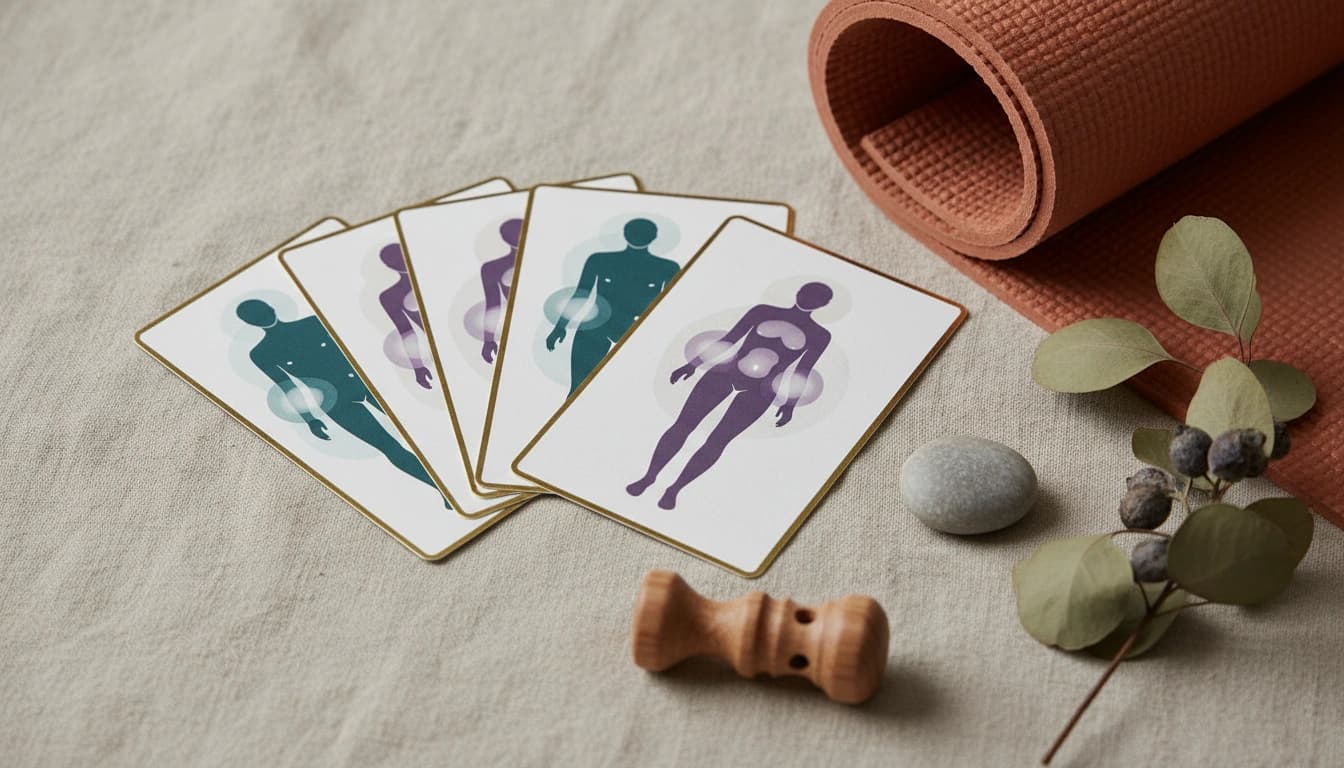
Start Body-Based Healing with Somatic Therapy Cards
Our Somatic Therapy Cards include nervous system regulation exercises, body scans, and grounding techniques.
“The body keeps the score, as Dr. van der Kolk teaches us. Somatic worksheets give clients a way to read that score and begin rewriting it through gentle, body-based practices.”
Clara Ellington
BACP-Registered Counsellor & Art Therapy Specialist
Frequently Asked Questions
Ready to Start Your Journey?
Browse our complete collection of professionally designed therapeutic worksheets — crafted with clinical expertise and calming aesthetics.
Related Therapeutic Bundles
Found this helpful?
Share it with someone who might need it.
Written by Clara Ellington
BACP-Registered Counsellor & Art Therapy Specialist
Clara Ellington is a BACP-registered counsellor (Member No. 123456) with over 8 years of clinical experience across diverse settings. She holds a Diploma in Integrative Counselling & Psychotherapy and a Certificate in Art Therapy Facilitation, combining evidence-based therapeutic techniques with art therapy principles to create beautiful, effective mental health resources through Calm With Clara.